Our Services
Concrete Condition Assessment
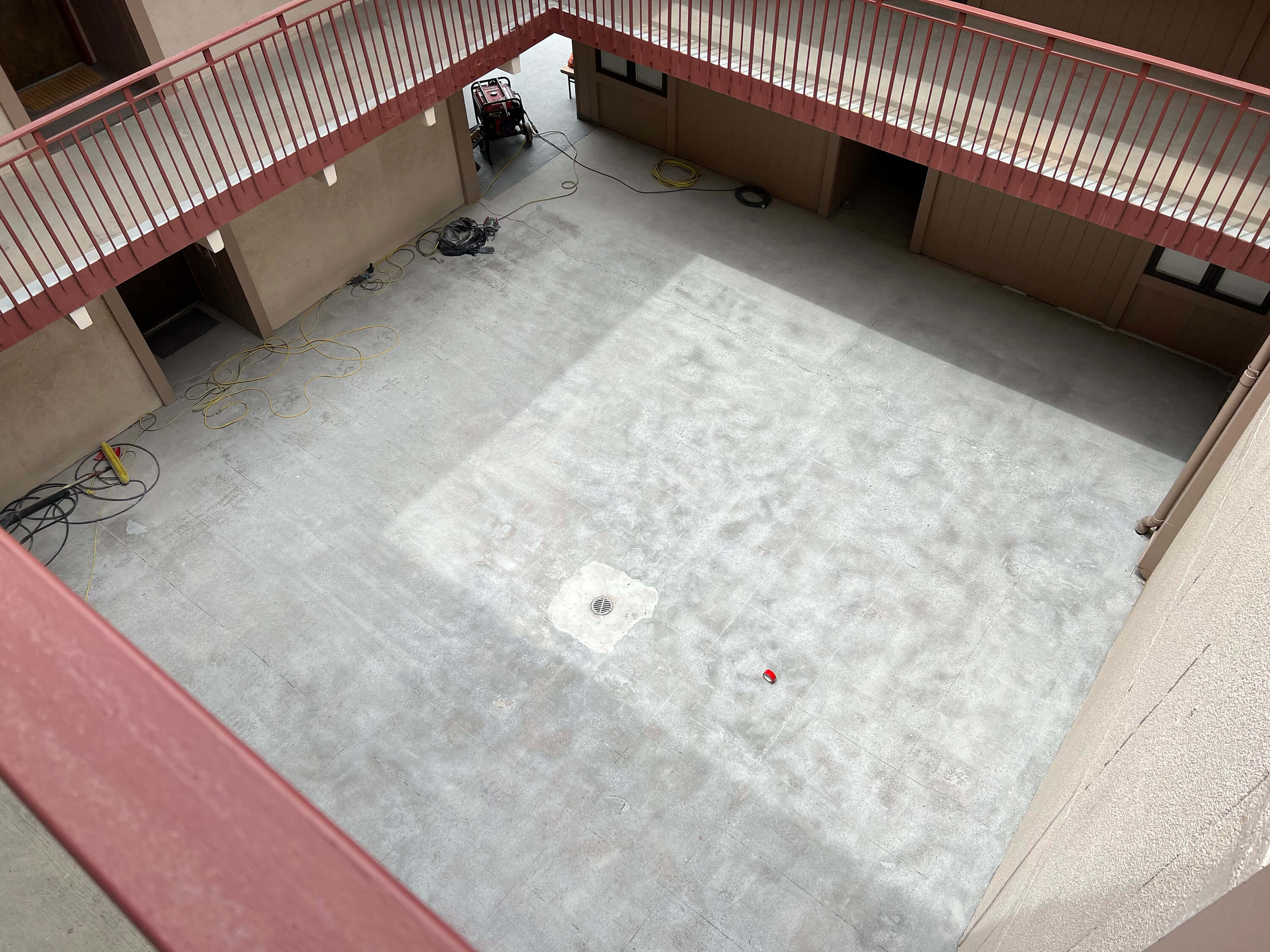
Most of the calls we get start with a symptom: a stain on a ceiling, a pothole in a deck, a piece of concrete on the floor of a garage. The symptom is rarely the problem. Before anyone should be bidding a repair, somebody has to establish what is actually failing, how far it has gone, and what is urgent as against what can wait for next year’s budget.
Get a Quote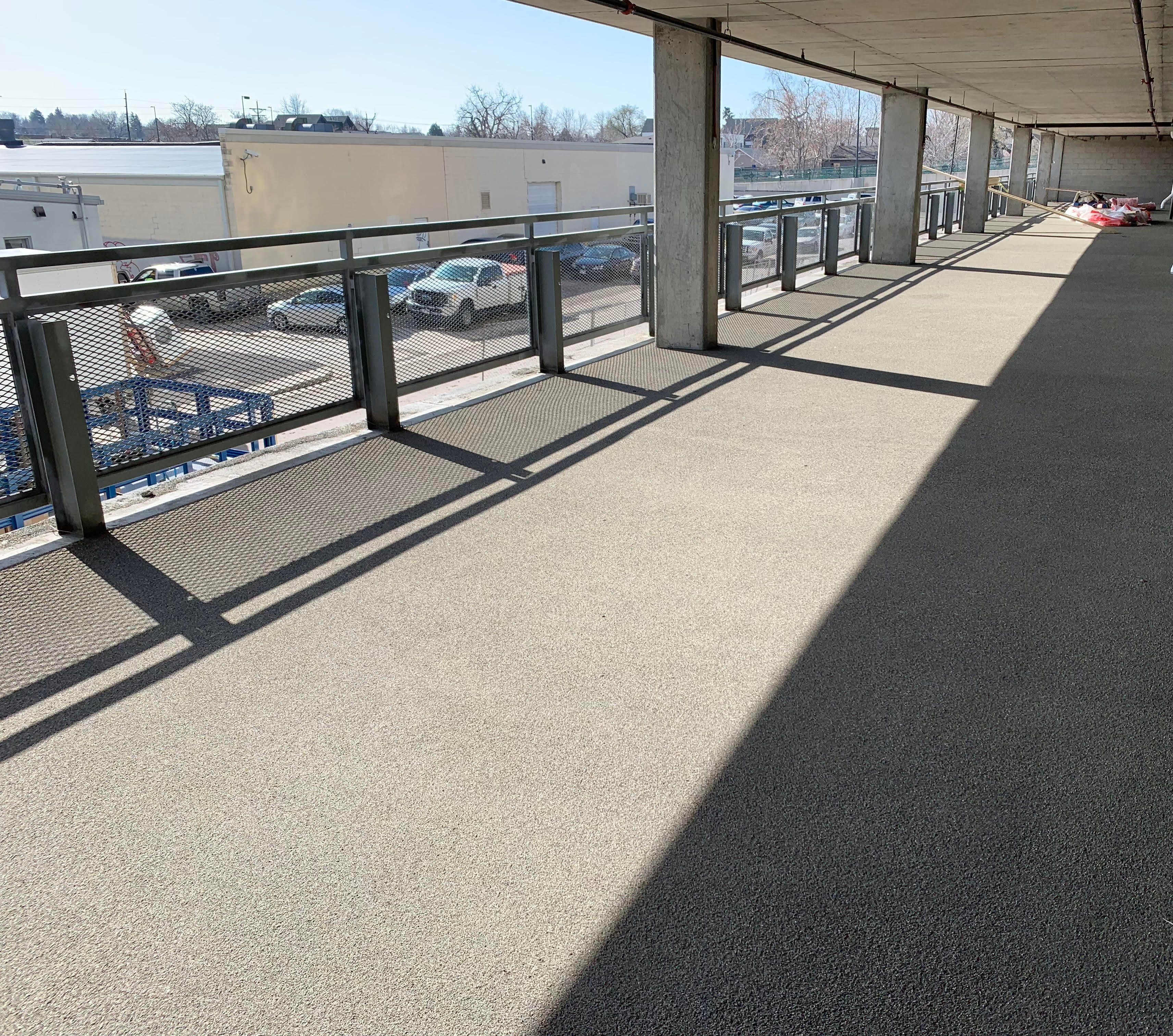
What we look for
Water is almost always the driver, so we start where it gets in: joints that have lost their sealant, coatings worn through at drive lanes and turns, cracks, failed drainage, and the details where two materials meet. From there the question is what the water has reached. Surface spalling is one problem. Corroding reinforcing steel is a larger one. Water at a post-tension anchorage is a different conversation entirely, and it is the reason we would rather look at a structure early than get the call after a tendon has failed.
Urgent, scheduled, and watch
Not everything found in an assessment needs doing this year, and treating it as though it does is how owners end up deferring all of it. We sort what we find into what affects safety or is actively getting worse, what belongs in the next budget cycle, and what simply needs watching. That ordering is the useful part. It turns an intimidating list into something you can fund in stages.
Working from an engineer’s specification
Plenty of our work arrives already specified by a structural engineer, and we bid it as drawn. The rest arrives unspecified, and on those we will tell you what we are seeing, what we would do about it, and what it would take. Either way, what you receive from us is a proposal.
Maintenance is cheaper than repair, every time
The repairs on this site are, almost without exception, what happens when maintenance is deferred. Sealant has a service life and is meant to be replaced. Traffic coatings wear at the turns first. Expansion joints move every day of their lives. Keeping ahead of those three is most of what keeps a structure out of structural repair.
Questions we get asked
What do I actually receive after you look at my structure?
A proposal. That is our deliverable. Where an engineer is already involved we are careful not to hand over anything that reads as an observation report, because writing observation reports is the engineer’s role and we are not going to step on it. What you get from us is our experience and our professional opinion on what you are looking at, in plain terms, before anybody is asked to commit to a scope.
Do you write specifications or provide the engineering?
No. We are not engineers, we do not write specifications, and we do not carry errors and omissions insurance for design work. People assume otherwise all the time and tell us they do not need an engineer because they have us, and we correct them. Legally you want an engineer of record. What we can do is put you with engineers who are well versed in parking structures and post-tension systems, because we know who they are.
Related services
Parking Structure Restoration
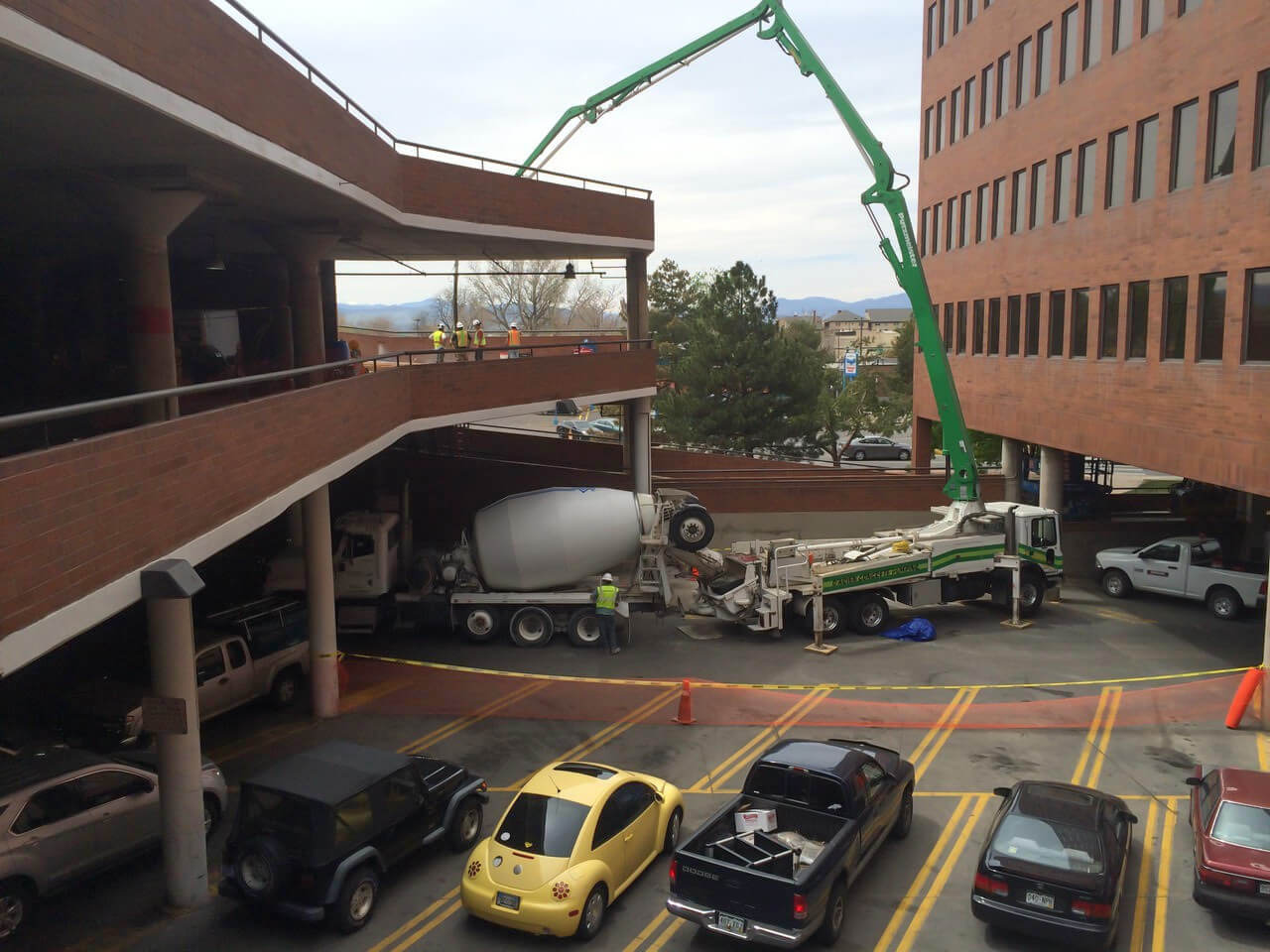
Multi-level parking structures are what ORC is built around. Top deck restoration, post-tension repair, traffic coatings, joints and sealants, phased so the garage stays open while we work.
Learn MoreConcrete Sealants
Joint sealants such as urethane and silicone are possibly the most fundamental materials in protecting your structure from water and chloride intrusion. Sealants are used in the most susceptible areas such as construction joints and control joints. Sealants have a life span and replacing sealants is a revolving maintenance item.
Learn MoreConcrete Coatings and Waterproofing
Significantly extend the life of your structure’s high traffic concrete surfaces with industry leading waterproofing and protective coatings.
Learn More